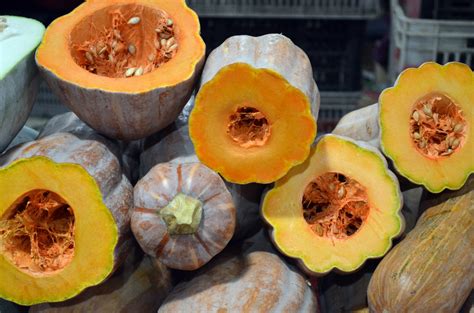
October is when winter squash takes over farm stands, garden beds and grocery bins. Butternut, acorn, buttercup, delicata, Hubbard and spaghetti squash all show up at once.
For a self-reliant kitchen, that’s good news. One squash gives you a side dish tonight, a snack from the seeds, and cooked squash for the freezer.
Here’s how to get all three out of a single squash.
Pick a good one and store the rest
Start at the store or the garden. Montana State University Extension says to look for squash that feels heavy, with tough, shiny skin and the stem still attached. Pass on any with cuts, moldy spots, sunken areas or punctures.
That hard skin and stem help hold moisture in, and they’re why winter squash keeps so well. Montana State says squash stored in a cool, dry spot can last anywhere from 30 to 180 days, depending on the variety. North Dakota State University Extension says whole squash will keep “many months” that way.
So if you find a good price, buy a few extra. Once you cut a squash, though, the clock starts: NDSU says cut squash belongs in the refrigerator.
Roast it the easy way
Rinse the outside well to remove dirt, and wash your hands before you start. Both steps come from Montana State’s fact sheet.
You have a few simple options:
- Halves: Cut the squash in half, scoop out the seeds and strings (save them), and lay the halves cut-side down on a foil-lined dish. Montana State says to cover them and bake at 350°F for about 45 minutes, or until tender.
- Cubes: Peeled cubes roast faster, about 20 to 25 minutes at 350°F, according to the same source.
- Whole: Don’t want to wrestle a hard squash with a knife? NDSU suggests scrubbing it, poking several holes in it, and baking it whole and uncovered. A medium squash takes about an hour at 350°F, and it cooks faster at 400°F. Once it’s soft, cutting and seeding it is much easier.
However you roast it, the squash is done when a fork slides in easily.
A plain half with a pat of butter and a pinch of salt is hard to beat. If you want something sweeter, NDSU has a recipe for honey- or maple-glazed wedges about 1½ inches thick, baked at 350°F for 25 to 35 minutes.
Don’t toss the seeds
The seeds are the bonus round. Utah State University Extension recommends separating them from the stringy pulp in a bowl of cool water, which makes the job much less messy.
The University of Maine Cooperative Extension offers a simple ratio: 1 cup of raw seeds, 1 tablespoon of oil and 1 teaspoon of salt. Here’s the method:
- Preheat the oven to 350°F.
- Rinse the seeds in a colander and pat them dry.
- Toss them with the oil and salt.
- Spread them in a single layer on a lightly greased baking sheet.
- Roast 20 to 30 minutes, flipping halfway, until golden brown.
Utah State’s version roasts a little longer, 35 to 40 minutes, stirring now and then, until the seeds turn light brown. Ovens vary, so start checking at the 20-minute mark.
For seasoning, Utah State suggests garlic powder or paprika, and UMaine mentions garlic, onion or parmesan. Seeds from any winter squash work, not just pumpkin.
How long do they keep? Utah State says up to two weeks in an airtight container at room temperature. UMaine says 10 to 14 days in the refrigerator, or freeze them for longer storage.
Bank the leftovers for winter
Roasted squash is an ideal make-ahead food. NDSU’s freezing method is simple:
- Cook the squash until soft.
- Scoop out the flesh and let it cool.
- Pack it into freezer containers or bags, squeeze out as much air as you can, and leave ½ inch of headspace.
- Label each one with the contents and date.
Frozen squash is ready for soups or a quick side later.
Don’t let cooked squash sit out while you finish dinner. The USDA says to refrigerate leftovers within 2 hours, or within 1 hour if it’s above 90°F. Splitting a big batch into shallow containers helps it cool quickly.
The USDA says refrigerated leftovers are good for 3 to 4 days. Frozen leftovers are best used within 3 to 4 months for quality, though they stay safe longer. When you reheat squash, bring it to 165°F on a food thermometer, and bring soups to a rolling boil.
Why it’s worth the oven time
Squash earns its spot in the pantry. Montana State notes that the dark orange flesh is rich in beta carotene, which your body turns into vitamin A, and it provides complex carbohydrates and fiber. NDSU lists ½ cup of plain mashed squash at 42 calories and 3 grams of fiber.
The bottom line
A single winter squash can give you a side dish, a crunchy snack and freezer meals for later. Buy heavy, unblemished squash while it’s plentiful, keep whole ones somewhere cool and dry, and roast at 350°F until fork-tender. Save the seeds, and follow USDA leftover rules for whatever you don’t eat right away. It’s an easy October habit that pays off all winter.
Sources
- Montana State University Extension: Winter Squash Food Fact Sheet
- North Dakota State University Extension: Winter Squash (FN1979)
- Utah State University Extension: Roasted Winter Squash or Pumpkin Seeds
- University of Maine Cooperative Extension: Roasted Pumpkin Seeds
- USDA: Turkey FUNdamentals: Leftovers